Unified Physical Security: Bridging the Gap Between Smart Tech and On-Site Guards
Smart Tech and On-Site Guards
- Written by Deltacon Admin
- Published
- 5 min read
Unified Physical Security: Bridging the Gap Between Smart Tech and On-Site Guards
By Deltacon Security Group | Security Services for Texas Businesses, Government Agencies, and Communities.
Walk through a Houston office tower, a Dallas distribution center, or an Austin residential community, and you will likely see cameras, badge readers, motion sensors, and intercoms. These tools help protect people and property, but their effectiveness depends on what happens when they detect a problem.
Who receives the alert? Who checks the situation? Who responds—and how?
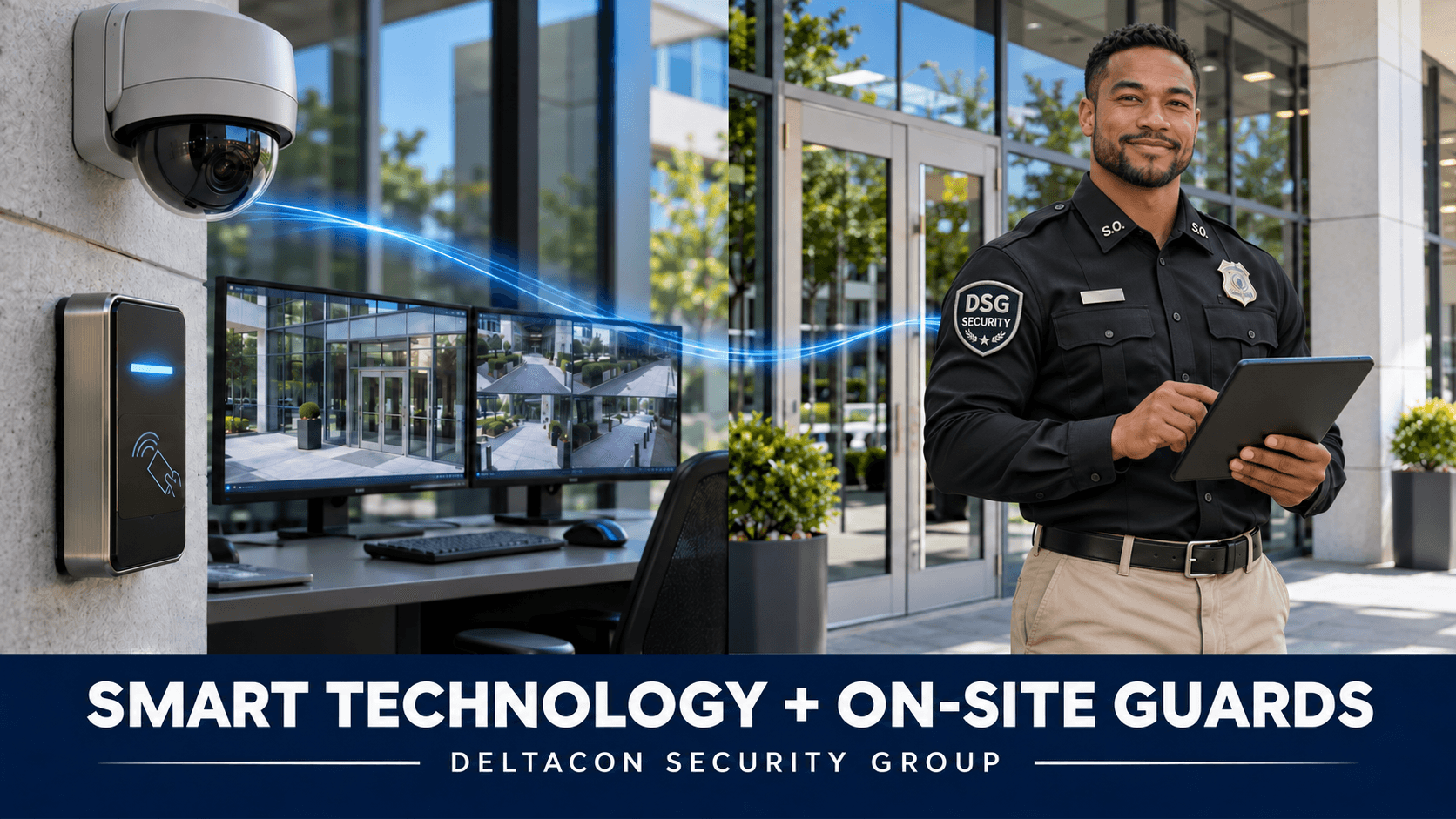
Unified physical security connects surveillance, access control, trained security officers, and clear response procedures into one coordinated program. For property owners and facility managers, this approach can close gaps between detecting a concern and taking appropriate action.
The Problem With Disconnected Security
Many properties build security measures over time. Cameras follow a break-in. Electronic locks address an access concern. Guard services begin after repeated incidents. Each addition may serve a purpose, yet the overall program can remain disconnected.
Common gaps include:
Unattended camera alerts. A system detects activity, but no one is assigned to review notifications.
Unreviewed access events. Forced doors, repeated denied entries, or unusual credential use receive little attention.
Officers without timely information. A patrolling officer does not know that an alarm has activated elsewhere.
Unclear responsibility. Management, monitoring personnel, and guards each assume someone else is responding.
Scattered incident records. Video, access logs, and officer reports are difficult to connect after an event.
A coordinated program establishes who monitors, who verifies, who responds, and how the response is documented.
Three Essential Components of Unified Physical Security
1. Video Surveillance: Visibility and Verification
Cameras help personnel observe entrances, parking areas, loading docks, corridors, and restricted spaces. Depending on the equipment and configuration, video analytics may flag movement after hours, entry into designated zones, or other activity requiring review.
However, an automated alert is a prompt for assessment—not proof of wrongdoing. Lighting, weather, equipment settings, and ordinary activity can affect detection.
A useful surveillance plan establishes camera coverage, alert priorities, authorized viewers, and response procedures. It also addresses equipment maintenance and footage retention.
2. Access Control: Managing Entry and Exceptions
Keycards, fobs, mobile credentials, and visitor management systems help control who can enter particular areas and when.
Their value increases when someone is responsible for investigating exceptions. A forced-door notification, a door left open, or repeated unsuccessful credential attempts should trigger a defined verification process.
Access records also have limits. A successful badge transaction does not necessarily establish who entered, and some systems do not record exits. Officers and managers should interpret access data alongside video and direct observations.
3. On-Site Security Officers: Judgment and Response
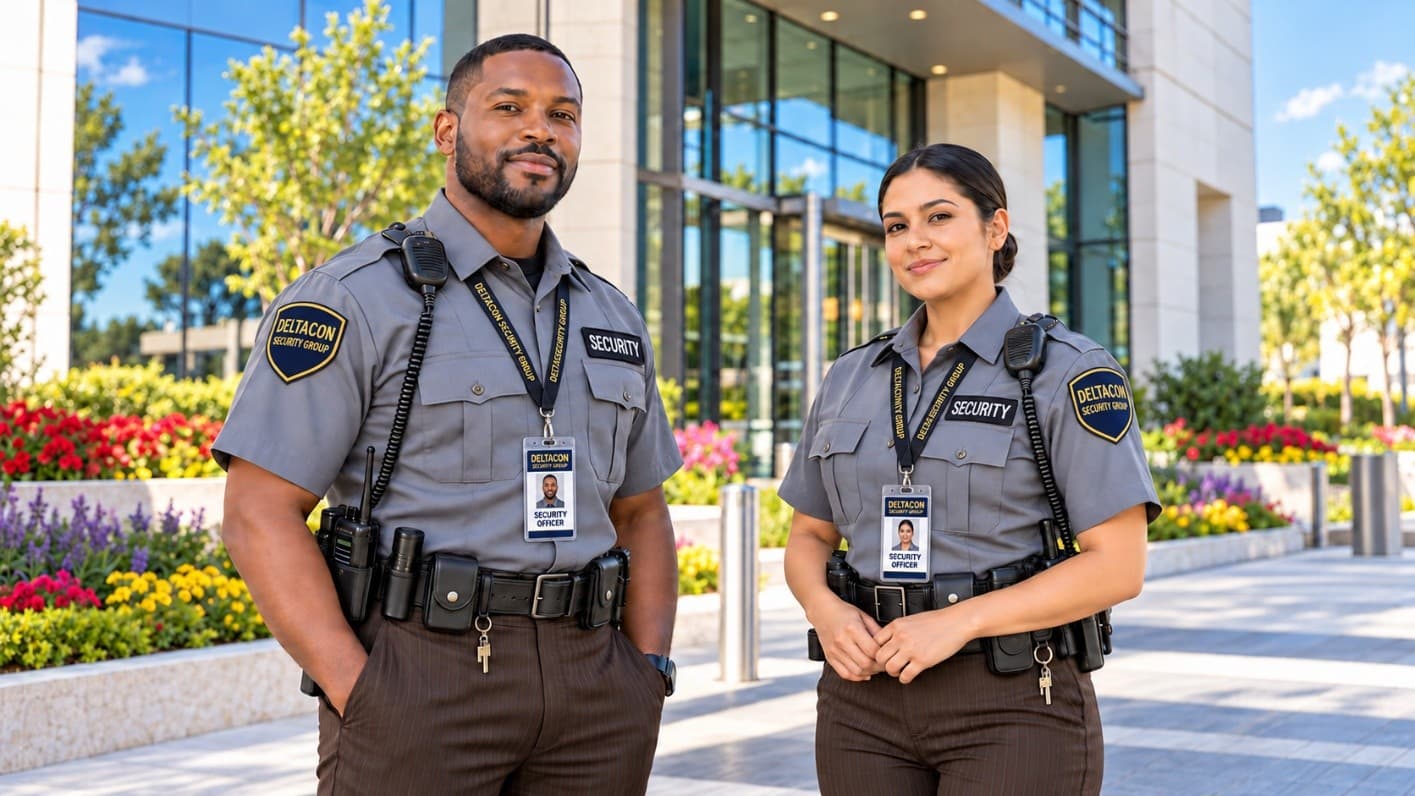
Security officers provide a visible presence and the ability to assess conditions directly. They can verify visitor authorization, address access concerns, communicate with occupants, use de-escalation techniques, and coordinate emergency assistance.
Officers need site-specific instructions that explain:
Which alerts require immediate attention.
How to verify conditions safely.
When to notify management or emergency services.
What information to document.
Who assumes responsibility during a shift change.
Technology becomes more useful when personnel understand both its capabilities and its limitations.
How a Coordinated Security Program Works
After-Hours Activity at a Loading Dock
A camera alert identifies movement near a closed loading area. Designated personnel review the video and notify the assigned officer. The officer follows post orders to assess the situation, verify authorization, and escalate when appropriate.
The response begins with information about the location and observed activity.
Possible Tailgating at an Entrance
An officer or an appropriately configured system identifies a possible unauthorized entry behind a credentialed person. The officer follows up courteously, verifies authorization, and documents any access concern.
Clear visitor procedures help personnel address the situation consistently.
Patrol Accountability
Electronic checkpoints and mobile reporting tools can create time-stamped patrol records. Supervisors can review missed checkpoints, reported hazards, and follow-up actions.
These records support accountability, while supervisory review helps determine whether patrols are addressing the property's actual risks.
Incident Review
Following a parking-area incident, authorized personnel compare available video, access events, patrol records, and officer observations.
Together, these sources can help establish a clearer timeline and support follow-up by management, law enforcement, or insurers.
What Property Owners Can Gain
A well-designed program can provide:
More informed responses: Officers receive relevant details before assessing an alert.
Better coordination: Defined responsibilities reduce confusion and missed handoffs.
Improved alarm verification: Personnel can distinguish routine activity from conditions requiring action.
Stronger operational visibility: Managers can review incidents, patrol activity, and unresolved concerns.
More useful documentation: Consistent records support investigations and corrective action.
Better resource allocation: Staffing and technology decisions reflect site conditions and service needs.
Results depend on equipment reliability, staffing, training, maintenance, and consistent execution.
Make Technology Useful to the People Responsible for Security
Adding equipment alone does not create a coordinated security program. Officers need appropriate access to information, practical training, reliable communications, and clear authority to act within their assignment.
System access should also be controlled. Personnel should receive only the permissions needed for their duties, and sensitive footage, credentials, and incident records should be handled under established policies.
Regular reviews help identify failed notifications, camera blind spots, outdated access permissions, and procedures that no longer fit the property.
Five Questions to Ask About Your Property
Who receives security alerts during business hours, overnight, and on weekends?
What happens if the first designated responder is unavailable?
Do officers have current post orders for alarms, access concerns, and emergencies?
Can authorized personnel connect video, access events, and officer reports during an investigation?
When were camera coverage, communications, access permissions, and response procedures last reviewed?
Unclear answers can point to practical improvements in your security plan.
Build a More Coordinated Security Program With Deltacon
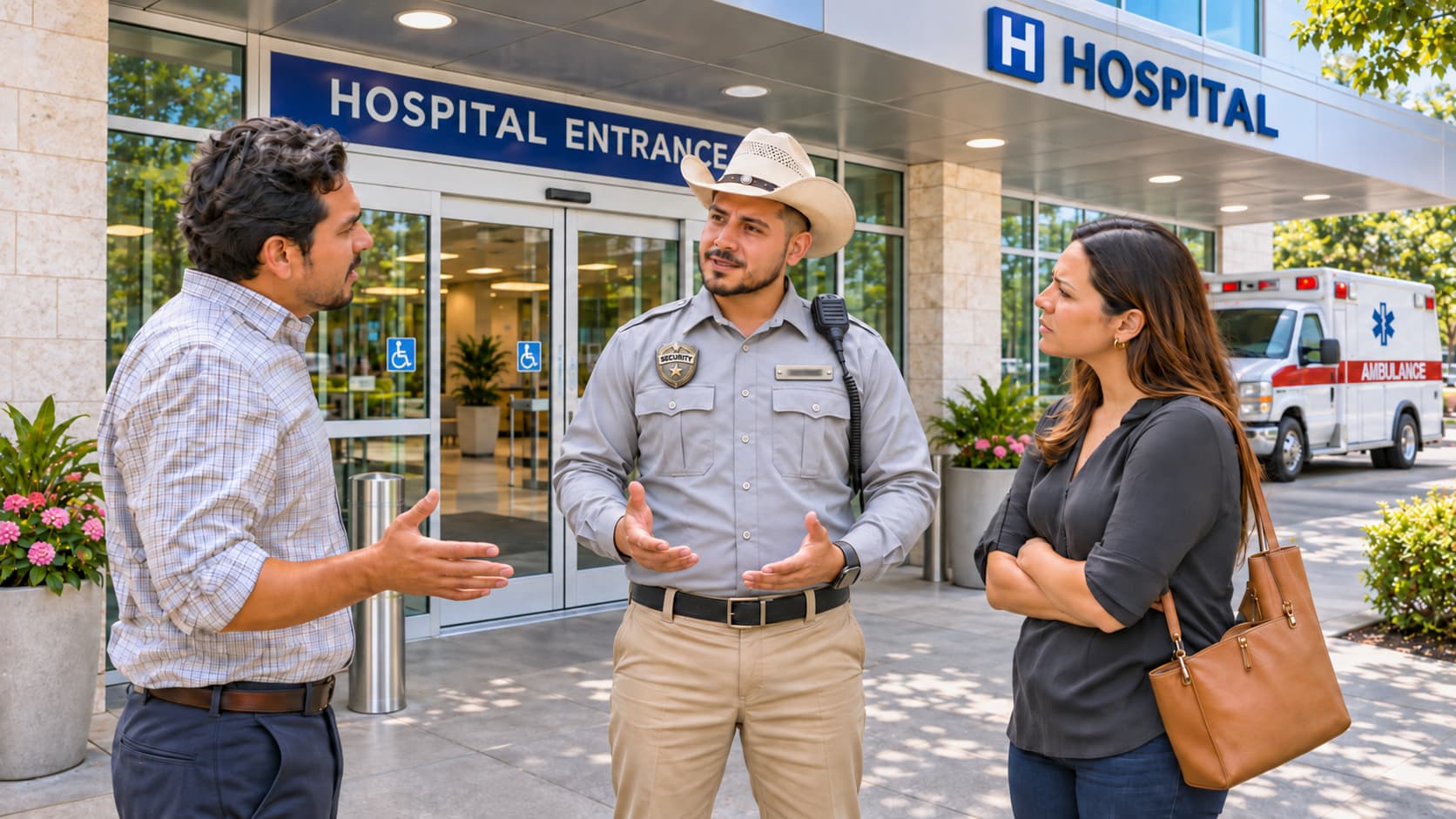
Every property has different needs. A healthcare facility requires different procedures from a construction site, retail center, warehouse, government building, or residential community.
Deltacon Security provides security personnel, patrol services, and security consulting to help organizations address those needs. A site review can examine how officer assignments, communications, reporting, and existing security technology support your operations.
The objective is straightforward: give personnel the information and procedures they need to recognize concerns, respond appropriately, and keep management informed.
Ready to Strengthen Your Property’s Security?
Contact Deltacon Security to discuss your property, request a security assessment, or obtain a tailored service proposal.
Our services include:
Armed and unarmed security officers.
Dedicated and intermittent mobile patrols.
Emergency and rapid-response security.
Fire watch services.
Personal and executive protection.
Off-duty law enforcement security.
Security assessments, planning, and consulting.
Event security and crowd management.
Deltacon Global Inc. | DBA Deltacon Security
Call: 832-247-7457
Email: info@deltacon1.com
Website: www.deltacon1.com
Serving Houston, Sugar Land, Richmond, Dallas, Fort Worth, Austin, San Antonio, El Paso, Beaumont, and surrounding Texas cities and communities.
Trusted to be there… when it matters.